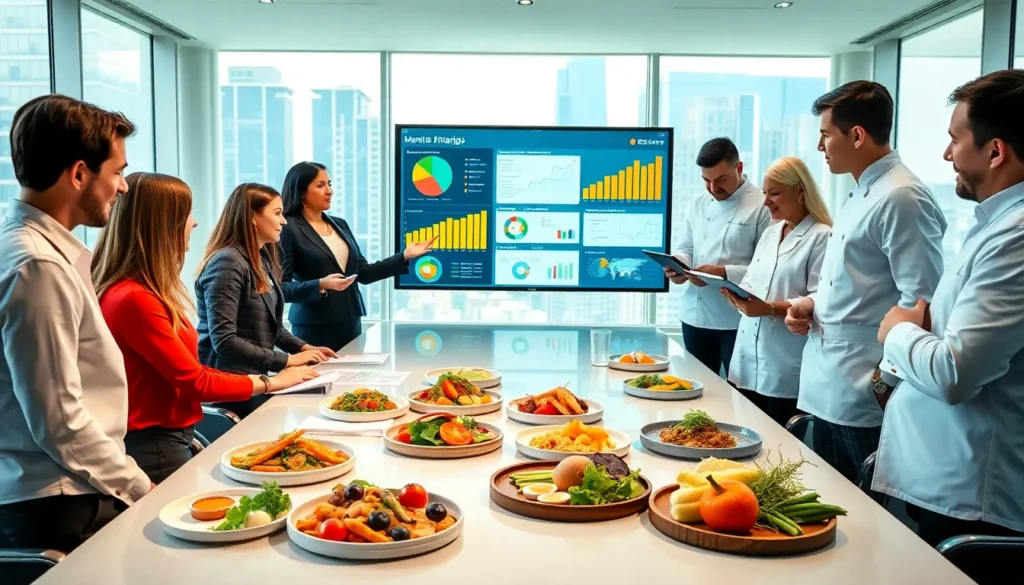
The best food trends of 2025 reflect a shift in how people think about meals. Health, sustainability, and global flavors now drive consumer choices. Plant-based options sit alongside traditional proteins on restaurant menus. Diners seek foods that taste good and support their wellness goals. Technology changes how people order, prepare, and experience food. This year brings exciting developments that reshape kitchens, grocery stores, and dining rooms across the country. Here’s a look at the food trends defining 2025.
Key Takeaways
- The best food trends of 2025 prioritize health, sustainability, and bold global flavors that reshape everyday eating habits.
- Plant-based innovation has gone mainstream, with mushroom proteins and improved dairy alternatives now standard options at restaurants and grocery stores.
- Global and fusion cuisines—like Korean-Mexican tacos and West African dishes—are expanding American palates and filling pantries with international ingredients.
- Functional foods containing adaptogens, probiotics, and sleep-supporting nutrients meet growing consumer demand for purpose-driven eating.
- Sustainability drives food choices, with local sourcing, reduced packaging, and carbon labeling becoming expectations rather than exceptions.
- Smart kitchen appliances and AI-powered meal planning tools make quality cooking more convenient and accessible for home cooks.
Plant-Based Innovation Goes Mainstream
Plant-based eating has moved far beyond basic veggie burgers. In 2025, companies create meat alternatives that mimic texture, taste, and even cooking behavior of animal products. Mushroom-based proteins lead this charge. They offer a meaty chew without the environmental footprint of beef production.
Restaurants now feature plant-based options as menu highlights rather than afterthoughts. Fast-food chains sell millions of plant-based items each month. The stigma around meat alternatives has faded. Even committed carnivores add these products to their weekly rotation.
Dairy alternatives have also improved dramatically. Oat milk dominates coffee shops. Cashew-based cheeses melt properly on pizza. Fermented plant proteins create yogurt with authentic tang and creaminess.
This trend shows no signs of slowing. Market research firm SPINS reports plant-based food sales grew 8% in the past year. Consumers cite health benefits, environmental concerns, and simple curiosity as reasons for trying these products. The best food trends often start as niche movements before becoming everyday choices, and plant-based eating has officially arrived.
Global Flavors and Fusion Cuisine
American palates have grown more adventurous. In 2025, diners actively seek dishes that introduce them to new cuisines. West African, Filipino, and regional Indian foods gain popularity in mainstream restaurants.
Fusion cuisine takes this further. Chefs combine techniques and ingredients from multiple traditions to create something new. Korean-Mexican tacos, Japanese-Italian pasta dishes, and Indian-inspired pizzas attract food lovers who want familiar formats with unexpected flavors.
Grocery stores respond to this demand. Aisles now stock gochujang, harissa, and tamarind paste as standard items. Home cooks experiment with spice blends from around the world. Recipe websites report massive increases in searches for international dishes.
Social media accelerates this trend. A viral video featuring a regional specialty can send millions of people to restaurants or grocery stores within days. Food content creators introduce their audiences to cuisines they might never encounter otherwise.
These global flavors represent some of the best food trends because they expand what people consider normal eating. Yesterday’s exotic ingredient becomes tomorrow’s pantry staple.
Functional Foods and Wellness-Focused Eating
Food now serves purposes beyond basic nutrition. Functional foods, products designed to provide specific health benefits, dominate grocery shelves in 2025.
Adaptogens like ashwagandha and lion’s mane mushroom appear in everything from coffee to chocolate bars. Brands market these ingredients for stress reduction and mental clarity. Gut health remains a major focus. Probiotic and prebiotic foods continue strong sales growth.
Protein content drives many purchasing decisions. Consumers check labels for protein amounts before buying snacks, cereals, and even bread. High-protein versions of traditionally carb-heavy foods sell well.
Sleep-supporting foods represent a newer category. Products containing magnesium, tart cherry, or chamomile target the large population struggling with rest. Evening snacks now come with sleep-promoting claims.
This wellness focus reflects broader health consciousness. People want their food choices to actively support their goals. The best food trends address real consumer needs, and functional foods clearly meet demand for purpose-driven eating.
Sustainable and Locally Sourced Ingredients
Sustainability concerns shape food choices more than ever. Consumers in 2025 pay attention to where their food comes from and how it reaches their plates.
Local sourcing appeals to both environmental and quality-minded shoppers. Farmers markets see record attendance. Restaurants highlight partnerships with nearby farms on their menus. “Farm to table” has evolved from marketing buzzword to genuine expectation.
Food waste reduction drives innovation. Companies sell “ugly” produce at discounts. Restaurants use whole vegetables, including parts traditionally discarded. Upcycled ingredients, made from food byproducts, appear in more products.
Packaging matters too. Shoppers avoid excessive plastic. Brands respond with compostable containers and refillable options. Some stores offer bulk sections where customers bring their own containers.
Carbon labeling gains traction. Some products now display their environmental impact alongside nutritional information. This transparency helps consumers align purchases with their values.
These sustainable practices reflect some of the best food trends because they address urgent environmental challenges while often delivering fresher, higher-quality food.
Technology-Driven Dining Experiences
Technology changes how people interact with food at every stage. In 2025, digital tools enhance cooking, ordering, and eating.
Smart kitchen appliances have gone mainstream. Connected ovens adjust temperature automatically based on recipes. Air fryers with app integration guide users through cooking steps. These devices make complex techniques accessible to home cooks.
Restaurant ordering has shifted dramatically. QR code menus remain standard. AI-powered recommendation systems suggest dishes based on past orders and dietary preferences. Some establishments use robots for food delivery to tables.
Meal planning apps use artificial intelligence to generate weekly menus, shopping lists, and recipes based on household preferences and nutritional goals. These tools reduce decision fatigue and food waste.
Grocery delivery continues expanding. Same-day delivery is now expected rather than exceptional. Some services offer subscription models for frequently purchased items.
Virtual cooking classes connect home cooks with professional chefs worldwide. People learn techniques from experts they could never access in person.
These technology-driven changes represent best food trends that make quality eating more convenient and accessible.