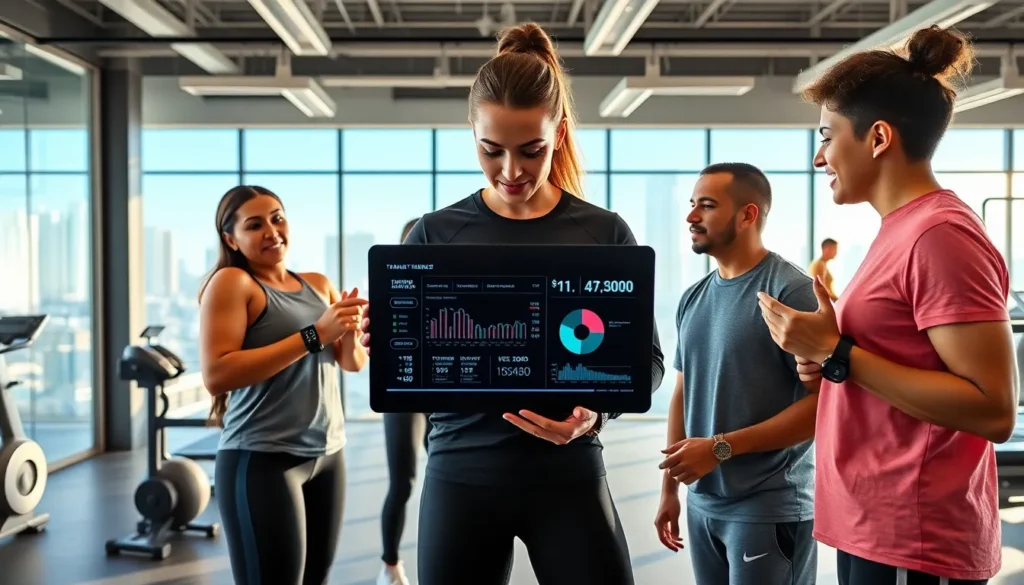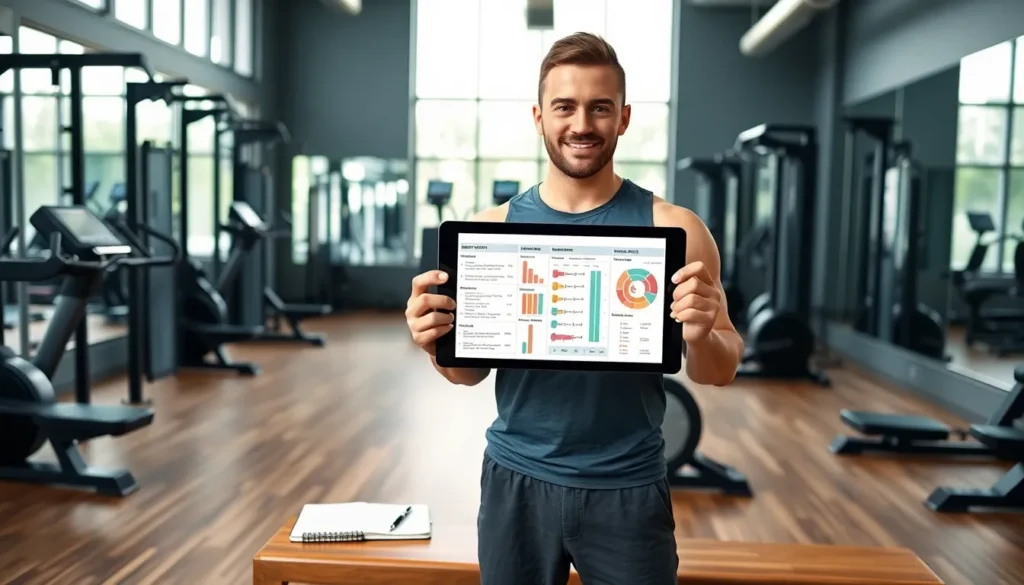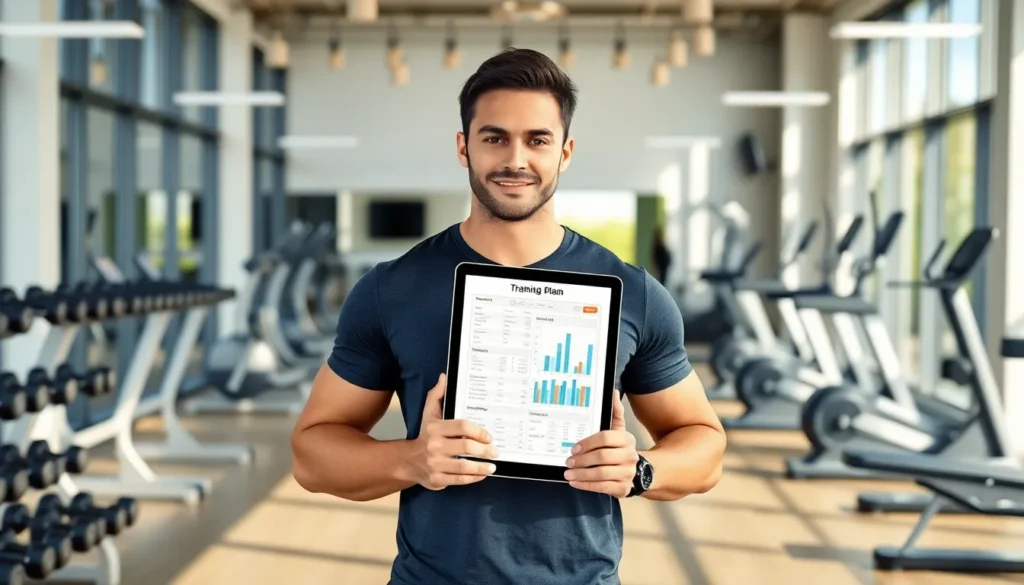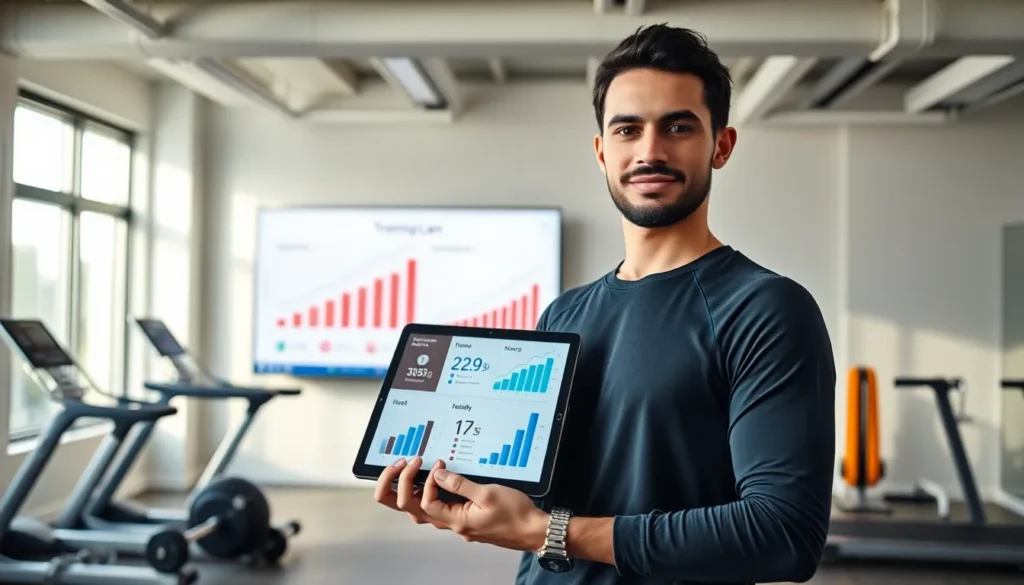
Fitness and training plans tools have changed how people approach their workouts. These digital solutions help athletes, gym-goers, and beginners organize their exercise routines with precision. Gone are the days of scribbling sets and reps on paper or guessing what to do next. Today’s fitness and training plans tools offer structured programs, progress tracking, and data-driven insights that make reaching goals faster and more efficient. Whether someone wants to build muscle, lose weight, or train for a marathon, the right tool can serve as a personal coach in their pocket. This guide breaks down what these tools offer, how to pick one, and how to use them effectively.
Key Takeaways
- Fitness and training plans tools help users schedule workouts, track progress, and access exercise libraries for more efficient goal achievement.
- Look for customizable plans, progress analytics, wearable integration, and calendar features when choosing training plan software.
- Mobile apps offer portability, web platforms provide deeper analytics, and hybrid coaching tools combine technology with personalized expert guidance.
- Match your fitness and training plans tool to your specific goals, tech comfort level, and budget before committing to a subscription.
- Maximize results by logging every workout, reviewing analytics weekly, and syncing wearables for richer performance data.
- The best training tool is the one you use consistently—test free trials to find the right fit before investing.
What Are Fitness and Training Plans Tools?
Fitness and training plans tools are software applications or platforms designed to create, manage, and track workout programs. They range from simple mobile apps to comprehensive web-based systems used by professional coaches.
At their core, these tools help users:
- Schedule workouts across days, weeks, or months
- Track exercises, including sets, reps, and weights
- Monitor progress through charts and performance metrics
- Access exercise libraries with instructions and videos
- Set goals and receive reminders to stay consistent
Some fitness and training plans tools focus on specific disciplines like strength training, running, or yoga. Others provide all-in-one solutions covering multiple workout types. Many also integrate with wearables like smartwatches to capture heart rate, calories burned, and sleep data.
The appeal is straightforward. Instead of relying on memory or generic advice, users get a personalized roadmap. The tool holds them accountable and shows exactly what’s working, and what isn’t.
Key Features to Look for in Training Plan Software
Not all fitness and training plans tools are created equal. The best ones share several key features that make workout planning easier and more effective.
Customizable Workout Plans
A good tool lets users build their own routines or modify existing templates. Cookie-cutter programs rarely fit everyone’s schedule, equipment access, or fitness level. Look for software that adapts.
Progress Tracking and Analytics
Numbers tell the story. Quality training plan software displays workout history, personal records, and trends over time. Visual graphs and charts help users see improvement, or identify plateaus.
Exercise Database
A comprehensive library of exercises with video demonstrations prevents confusion. Users should be able to search by muscle group, equipment, or difficulty level.
Integration with Wearables and Apps
Syncing with devices like Garmin, Apple Watch, or Fitbit adds convenience. Automatic data import saves time and captures more accurate metrics.
Calendar and Scheduling Tools
Workouts need to fit real life. Calendar views, drag-and-drop scheduling, and rest day reminders keep training on track.
Community and Coaching Options
Some fitness and training plans tools offer social features or access to certified coaches. This adds motivation and expert guidance for those who want it.
Prioritizing these features helps users find a tool that actually supports their training rather than complicating it.
Types of Fitness Planning Tools Available
The market offers several types of fitness and training plans tools. Each serves different needs and preferences.
Mobile Fitness Apps
Apps like Strong, JEFIT, and Nike Training Club run on smartphones. They’re convenient for logging workouts at the gym and often include free tiers with premium upgrades.
Web-Based Platforms
Platforms such as TrainingPeaks, Trainerize, and True Coach work through browsers. Coaches frequently use these to program for clients remotely. They tend to offer deeper analytics and plan-building features.
Wearable-Integrated Systems
Garmin Connect and Apple Fitness+ tie directly to hardware. They excel at tracking cardio metrics, recovery data, and activity levels throughout the day.
Spreadsheet Templates
For the budget-conscious or tech-minimal crowd, Google Sheets or Excel templates still work. They lack automation but offer total customization.
Hybrid Coaching Platforms
Tools like Future and Caliber pair users with human coaches who build plans inside an app. This combines technology with personalized feedback.
Each type of fitness and training plans tool has strengths. Mobile apps win on portability. Web platforms handle complex programming. Wearable systems dominate cardio tracking. Spreadsheets cost nothing. Hybrid options blend human expertise with digital convenience.
How to Choose the Right Tool for Your Goals
Selecting the best fitness and training plans tool depends on individual goals, experience, and budget.
Define the primary goal. Someone training for a triathlon needs different features than a person focused on hypertrophy. Endurance athletes should prioritize tools with interval programming and GPS tracking. Strength trainees need detailed logging for progressive overload.
Assess tech comfort. A feature-rich platform helps only if the user actually uses it. Those who prefer simplicity might stick with a streamlined app rather than a complex dashboard.
Consider the budget. Free apps work for basic needs. Premium subscriptions, typically $10 to $30 per month, unlock advanced analytics, coach access, and ad-free experiences. Hybrid coaching services cost more but deliver personalized plans.
Check device compatibility. The tool should sync with existing hardware. A Garmin user benefits most from Garmin Connect or compatible third-party apps.
Read reviews and test free trials. Most fitness and training plans tools offer trial periods. Testing before committing prevents wasted money on software that doesn’t fit.
Matching the tool to specific needs increases the chance of long-term use. The best app is the one that gets opened consistently.
Getting the Most Out of Your Training Plan Tool
Owning a great fitness and training plans tool means nothing without proper use. A few habits maximize results.
Log every workout. Consistency in tracking reveals patterns. Skipping entries creates blind spots. Even a bad session provides useful data.
Review analytics weekly. Glancing at numbers once a month won’t catch issues early. Weekly check-ins highlight whether volume, intensity, or recovery needs adjustment.
Update goals regularly. Bodies adapt. A tool should reflect new targets as users progress. Sticking with outdated goals leads to stagnation.
Use reminders and notifications. Most fitness and training plans tools send push notifications. Enabling these helps build routine and prevents missed sessions.
Experiment with features. Many users ignore half the functionality. Exploring workout templates, nutrition tracking, or community challenges often uncovers helpful additions.
Sync wearables for richer data. Connecting a smartwatch or heart rate monitor adds layers of insight. Sleep quality, resting heart rate, and daily activity all influence training decisions.
These practices turn a passive app into an active training partner. The tool does its job best when users engage with it fully.