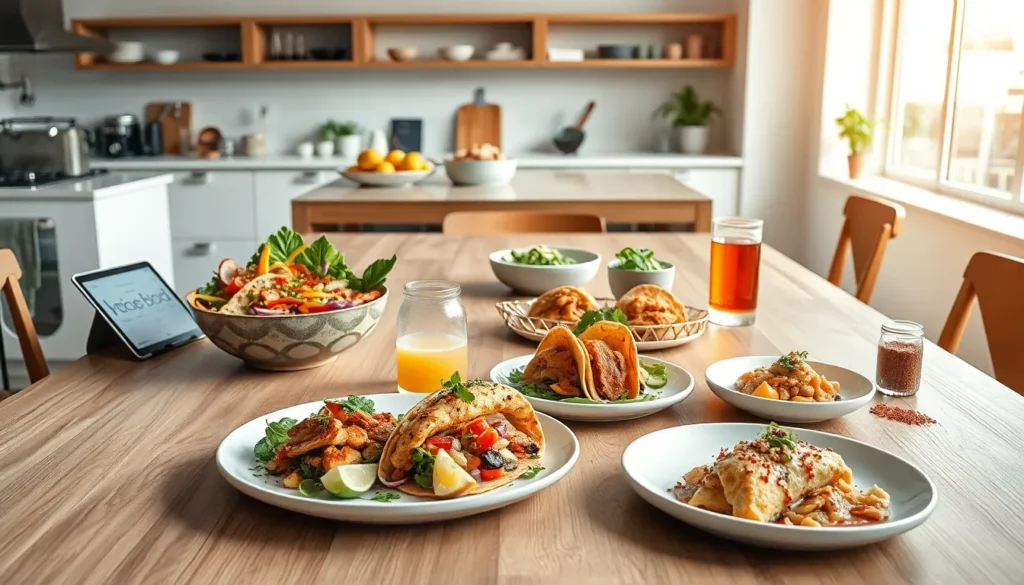
Food trends in 2025 reflect a shift in how people think about what they eat. Consumers now demand more than taste, they want sustainability, health benefits, and global flavors on their plates. From plant-based proteins to AI-powered kitchens, the food industry is responding with innovation at every level. This article explores the key food trends driving change this year and what they mean for restaurants, home cooks, and food brands alike.
Key Takeaways
- Food trends in 2025 prioritize sustainability, global flavors, and health benefits over taste alone.
- Plant-based eating has gone mainstream, with flexitarian consumers driving demand at restaurants and grocery stores.
- Authentic regional cuisines—like West African and specific Mexican traditions—are replacing generic international dishes on menus.
- Sustainability practices, including upcycled ingredients and ethical sourcing, now influence consumer purchasing decisions significantly.
- AI-powered tools, smart kitchens, and blockchain technology are transforming how food is developed, prepared, and traced.
- Functional foods targeting gut health, protein intake, and cognitive benefits continue to blur the line between nutrition and supplements.
Plant-Based Innovation Goes Mainstream
Plant-based eating has moved from niche health stores to mainstream grocery aisles. In 2025, food trends show that consumers expect plant-based options everywhere, from fast food chains to fine dining restaurants.
The technology behind meat alternatives has improved significantly. Products now mimic the texture, flavor, and even the “bleed” of traditional meat. Companies like Beyond Meat and Impossible Foods continue to refine their offerings, while newer brands experiment with fermentation and precision protein development.
Dairy alternatives have also expanded. Oat milk dominates coffee shops, but newer options like potato milk and walnut milk are gaining traction. These products appeal to people with allergies, environmental concerns, or simply a desire for variety.
Restaurants report that plant-based menu items attract a broader audience than expected. Many customers who order them aren’t vegetarian or vegan, they’re simply curious or looking to reduce meat consumption a few days per week. This “flexitarian” approach represents one of the most significant food trends of the decade.
Retailers have noticed the shift too. Plant-based sections in supermarkets continue to grow, and private-label options now compete with established brands on price and quality.
Global Flavors and Regional Cuisines Take Center Stage
Food trends in 2025 celebrate global cuisines with new enthusiasm. Diners want authentic flavors, not watered-down versions of international dishes.
West African cuisine has emerged as a particular favorite. Ingredients like jollof rice, suya spice blends, and scotch bonnet peppers appear on menus across North America and Europe. Korean flavors continue their strong showing, with gochujang and kimchi becoming pantry staples in many households.
Regional specificity matters more than ever. Instead of generic “Mexican food,” consumers seek out Oaxacan moles, Yucatecan cochinita pibil, or Baja-style fish tacos. This trend rewards restaurants and brands that highlight specific culinary traditions rather than broad categories.
Social media plays a large role here. Platforms like TikTok and Instagram expose users to dishes they’ve never seen before, creating demand that restaurants rush to meet. A single viral video can turn an obscure regional specialty into the next big food trend.
Fusion cooking has evolved too. Chefs now blend cuisines thoughtfully, respecting the origins of each tradition while creating something new. Korean-Mexican tacos and Indian-Italian pasta dishes showcase this approach.
Sustainability and Ethical Eating Practices
Sustainability ranks among the most influential food trends of 2025. Consumers increasingly consider environmental impact when making food choices.
Upcycled ingredients have gained momentum. Brands now create products from food waste, think flour made from spent brewing grains or snacks made from “ugly” produce that would otherwise be discarded. The Upcycled Food Association reports steady growth in certified products.
Regenerable agriculture has entered mainstream conversation. Consumers want to know that their food supports soil health, biodiversity, and carbon sequestration. Brands that communicate these practices effectively gain customer loyalty.
Packaging concerns drive purchasing decisions too. Single-use plastics face growing backlash, and companies respond with compostable containers, refill programs, and minimal packaging designs. Food trends show that customers will pay a premium for sustainable packaging when given the choice.
Ethical sourcing extends beyond environmental concerns. Fair trade certifications, worker welfare standards, and transparent supply chains matter to today’s shoppers. Younger consumers especially research brands before purchasing, and they share their findings online.
Local sourcing has regained importance after supply chain disruptions in recent years. Farm-to-table isn’t just a restaurant buzzword anymore, it’s a purchasing priority for many households.
Technology Transforming the Food Industry
Technology reshapes food trends at every level, from production to consumption. In 2025, these changes accelerate.
AI-powered recipe development helps food companies create products faster. Algorithms analyze flavor combinations, nutritional profiles, and consumer preferences to suggest winning formulations. Some companies report cutting product development time by half using these tools.
Smart kitchen appliances continue to improve. Connected ovens adjust cooking times automatically, while apps guide home cooks through complex recipes step by step. These devices make restaurant-quality results achievable for average home cooks.
Ghost kitchens, delivery-only restaurants without dining rooms, have become permanent fixtures in the industry. They allow brands to test concepts quickly and reach customers across wide geographic areas without traditional overhead costs.
Food delivery apps themselves shape what people eat. Their recommendation algorithms influence discovery, and their data helps restaurants understand demand patterns. Food trends often emerge from what performs well on these platforms.
Blockchain technology provides supply chain transparency. Consumers can scan codes to trace ingredients back to their source farms. This technology builds trust and supports claims about organic, fair trade, or sustainably sourced products.
Health-Conscious and Functional Foods
Health remains central to food trends in 2025. But the definition of “healthy” has expanded beyond calorie counting.
Functional foods, products with specific health benefits beyond basic nutrition, continue to grow. Mushroom-infused coffees promise cognitive support. Probiotic sodas target gut health. Collagen-enhanced snacks claim skin benefits. These products blur the line between food and supplements.
Gut health awareness has exploded. Fermented foods like kefir, sauerkraut, and kombucha see strong sales. Prebiotic fiber appears in everything from cereals to ice cream. Consumers understand the gut-brain connection and shop accordingly.
Sugar reduction remains a priority, but approaches have evolved. Natural sweeteners like monk fruit and allulose replace artificial options. Some brands focus on reducing sweetness overall, helping consumers reset their taste preferences.
Protein obsession shows no signs of slowing. High-protein versions of traditionally carb-heavy foods, pasta, bread, chips, fill store shelves. Food trends indicate that consumers across age groups prioritize protein intake for muscle maintenance, satiety, and overall health.
Adaptogens have moved from specialty stores to mainstream products. Ashwagandha, reishi, and lion’s mane appear in beverages, snacks, and meal replacement products. While research on these ingredients continues, consumer demand already drives significant product development.