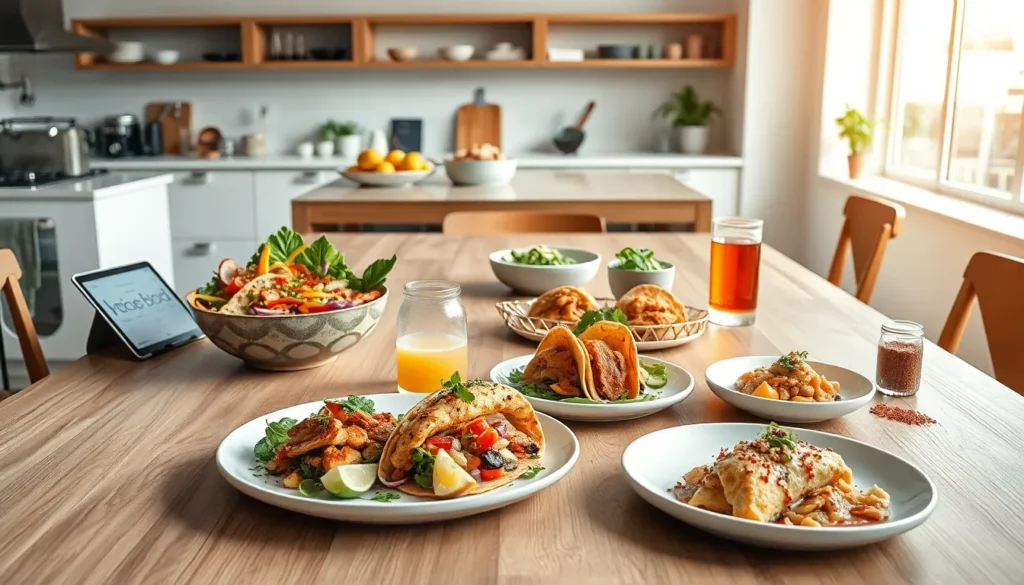
Food trends for beginners can feel overwhelming. Every year brings new ingredients, diets, and cooking styles that dominate social media feeds and restaurant menus. But here’s the good news: keeping up doesn’t require a culinary degree or an expensive pantry overhaul.
In 2025, the food scene offers something for everyone, from plant-based innovations to bold global flavors. This guide breaks down the biggest food trends right now and shows beginners exactly how to try them at home. Whether someone wants to eat more sustainably, explore new cuisines, or simply shake up their weeknight dinners, these trends provide a solid starting point.
Key Takeaways
- Food trends for beginners don’t require expensive ingredients or culinary expertise—start with one small change at a time.
- Plant-based eating in 2025 focuses on whole foods like chickpea pasta and mushroom proteins rather than processed meat substitutes.
- Global flavors from West African, Filipino, and Peruvian cuisines are now mainstream, and adding one new condiment like harissa or gochujang can transform everyday meals.
- Building a flexible pantry with versatile staples like chickpeas and coconut milk supports multiple food trends at once.
- Shop at ethnic grocery stores to find trend-forward ingredients at lower prices and discover new culinary possibilities.
- Treat food trends as invitations to explore rather than rigid rules—pick what interests you and adjust through repetition.
Understanding Food Trends and Why They Matter
Food trends reflect what people care about at any given moment. They show shifts in health priorities, environmental concerns, and cultural interests. Understanding food trends helps beginners make smarter choices about what they eat and buy.
So why do food trends matter? First, they often signal genuine improvements in how we grow, prepare, and consume food. The rise of plant-based proteins, for example, responds to real concerns about climate change and animal welfare. Second, food trends introduce people to ingredients and techniques they might never discover otherwise. A decade ago, most Americans had never heard of jackfruit or gochujang. Now both appear in grocery stores nationwide.
For beginners, food trends offer a roadmap. Instead of randomly experimenting, they can focus on what’s proven popular and accessible. Trends also tend to generate tons of recipes, tutorials, and product options, making it easier to get started.
That said, not every food trend deserves attention. Some fade quickly because they’re impractical or overhyped. The key is identifying trends with staying power. In 2025, the strongest food trends combine health benefits, sustainability, and genuine flavor appeal. These aren’t gimmicks. They represent lasting changes in how people approach food.
Beginners should view food trends as invitations rather than obligations. No one needs to adopt every new eating style. Pick what sounds interesting, try it a few times, and see what sticks. That’s how food trends work best, as doorways to discovery, not rigid rules to follow.
Top Food Trends to Try in 2025
The biggest food trends in 2025 balance taste with purpose. People want meals that satisfy their cravings while aligning with their values. Here are the standout food trends beginners should know about.
Plant-Based and Sustainable Eating
Plant-based eating continues its momentum in 2025, but with a twist. This year’s food trends emphasize whole foods over processed alternatives. Think chickpea pasta, mushroom-based proteins, and fermented vegetables rather than heavily engineered meat substitutes.
Beginners can start small. Swapping one meat-based dinner per week for a plant-based option makes a measurable difference. Black bean tacos, lentil soup, and vegetable stir-fries offer familiar formats with new ingredients. These dishes don’t require special skills or expensive products.
Sustainability also extends to food sourcing. More consumers prioritize local and seasonal produce in 2025. Farmers markets and community-supported agriculture programs have grown significantly. Buying local reduces transportation emissions and supports regional farmers. It also tends to deliver fresher, better-tasting food.
Another sustainable food trend gaining traction: reducing food waste at home. Apps now help people plan meals around what’s already in their fridge. Composting has become mainstream in many cities. Beginners exploring food trends often find that sustainable eating saves money while improving meal quality.
Global Flavors and Fusion Cuisine
Global flavors dominate 2025’s food trends. West African, Filipino, and Peruvian cuisines have moved from niche to mainstream. Ingredients like suya spice, calamansi, and aji amarillo now appear in supermarkets and meal kits.
Fusion cuisine takes this further by blending traditions. Korean-Mexican tacos, Japanese-Italian pasta dishes, and Indian-inspired pizzas show how cooks combine flavors creatively. These mashups reflect how people actually eat today, drawing from multiple cultures without strict boundaries.
For beginners, exploring global food trends starts with condiments and sauces. A jar of harissa, a bottle of fish sauce, or a tube of gochujang can transform basic proteins and vegetables. These products last for months and add instant flavor complexity.
Trying one new cuisine per month gives beginners exposure without overwhelm. Start with a simple recipe from a trusted source. Watch a cooking video to understand unfamiliar techniques. Most global dishes use affordable, accessible ingredients once someone knows where to look.
Food trends in 2025 celebrate authenticity alongside creativity. People want real flavors from real food traditions, not watered-down versions. This shift benefits beginners because authentic recipes often prove simpler than Americanized adaptations.
How to Incorporate New Food Trends Into Your Routine
Knowing about food trends is one thing. Actually adopting them requires a practical approach. Here’s how beginners can bring 2025’s food trends into their daily lives without stress.
Start with one change at a time. Trying to overhaul eating habits overnight rarely works. Pick a single food trend that sounds appealing. Maybe it’s adding more plant-based meals or experimenting with a new cuisine. Focus there for a few weeks before adding anything else.
Build a flexible pantry. Certain ingredients support multiple food trends at once. Chickpeas work for plant-based cooking and Mediterranean dishes. Coconut milk appears in Thai, Indian, and Caribbean recipes. Stock versatile staples that enable experimentation.
Use meal planning strategically. Dedicate one dinner per week to trying something new. This limits risk while creating a regular opportunity to explore food trends. If a recipe flops, the other six days provide backup.
Follow creators who match your skill level. Social media overflows with food content, but not all of it helps beginners. Find accounts that explain techniques clearly and use accessible ingredients. Save recipes that look both interesting and achievable.
Shop at ethnic grocery stores. These stores often carry trend-forward ingredients at lower prices than mainstream supermarkets. Staff can recommend products and explain how to use unfamiliar items. Many beginners discover their favorite food trends through these shopping trips.
Accept imperfection. First attempts at new recipes rarely match expectations. That’s normal. Food trends become enjoyable habits through repetition and adjustment. A mediocre first try doesn’t mean a trend isn’t worth pursuing.
Food trends work best when they enhance rather than complicate daily eating. Beginners succeed by treating trends as inspiration, not prescription. The goal isn’t perfection, it’s expanding what feels possible in the kitchen.