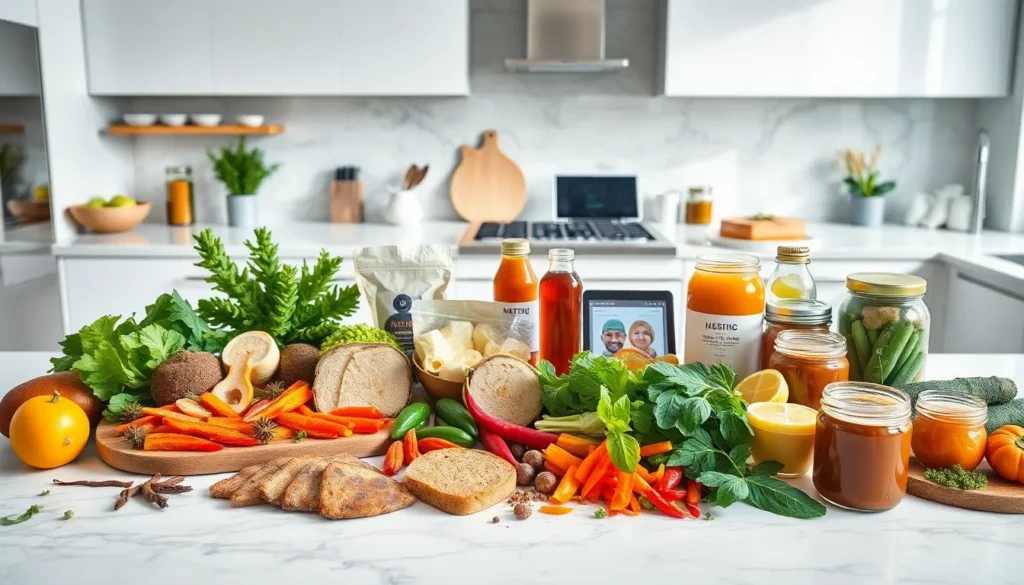
This food trends guide explores the biggest shifts defining how people eat, cook, and think about meals in 2025. From plant-based proteins to AI-powered kitchens, the culinary landscape looks different than it did just a few years ago. Consumers want more from their food, better nutrition, ethical sourcing, bolder flavors, and convenience that doesn’t sacrifice quality. Whether someone runs a restaurant, works in food marketing, or simply loves to cook at home, understanding these food trends provides a clear advantage. This guide breaks down the major movements shaping plates and palates right now.
Key Takeaways
- This food trends guide highlights plant-based innovation, global flavors, functional foods, and technology as the defining shifts of 2025.
- Sustainable eating now extends beyond ingredients to include compostable packaging, refillable systems, and reduced food waste.
- Global and fusion cuisines—from West African dishes to Korean-Mexican mashups—are driving bolder, more adventurous flavor preferences.
- Functional foods with adaptogens, probiotics, and high protein content are blurring the line between meals and supplements.
- AI-powered tools, smart appliances, and ghost kitchens are transforming how people cook, order, and personalize their meals.
- Start small by swapping one meat meal for plant-based options, exploring unfamiliar cuisines, and using technology to reduce waste.
Plant-Based Innovation and Sustainable Eating
Plant-based eating has moved far beyond veggie burgers and tofu scrambles. In 2025, this food trend includes lab-grown meat, precision-fermented dairy, and whole-food ingredients that rival animal products in taste and texture.
Companies now produce chicken, beef, and seafood alternatives that cook, sizzle, and even “bleed” like the real thing. Mycelium-based proteins, derived from mushroom roots, have gained serious traction. These products offer high protein content, minimal environmental impact, and a meaty bite that satisfies even skeptics.
Sustainability drives much of this shift. Consumers increasingly consider carbon footprints, water usage, and land impact before purchasing food. Restaurants respond by highlighting locally sourced vegetables, reducing food waste, and offering more plant-forward menus.
This food trend also extends to packaging. Brands now use compostable containers, edible wrappers, and refillable systems. The message is clear: what people eat matters, but so does how that food reaches their plates.
Grocery stores dedicate larger sections to plant-based options. Fast-food chains feature meatless items prominently. Even fine dining establishments build tasting menus around vegetables rather than proteins. This shift represents one of the most significant food trends of the decade.
Global Flavors and Fusion Cuisine
Global flavors dominate this food trends guide. Diners in 2025 crave bold, unfamiliar tastes from every corner of the world.
West African cuisine has surged in popularity. Dishes featuring jollof rice, suya spices, and egusi soup appear on menus from Los Angeles to London. Filipino food, with its sweet, sour, and savory combinations, has also gained mainstream recognition.
Fusion cuisine pushes boundaries further. Chefs combine Korean gochujang with Mexican tacos. They blend Japanese techniques with Peruvian ingredients (a style called Nikkei). Indian spices meet Southern comfort food. These creative mashups create entirely new flavor profiles.
Regional American cuisines also receive fresh attention. Appalachian cooking, Gulf Coast seafood traditions, and Indigenous American ingredients inspire new dishes. This food trend celebrates culinary heritage while encouraging experimentation.
Social media accelerates these global food trends. A viral TikTok video can introduce millions to a dish they’ve never heard of, and within weeks, that dish appears everywhere. Food discovery happens faster than ever before.
Spice tolerance has increased too. Consumers seek heat from Scotch bonnet peppers, Sichuan peppercorns, and Carolina Reapers. Bland food simply doesn’t cut it anymore.
Functional Foods and Wellness-Driven Choices
Food as medicine represents a major theme in this food trends guide. People want meals that do more than satisfy hunger, they want food that supports gut health, boosts energy, reduces inflammation, and improves sleep.
Adaptogens like ashwagandha, reishi mushrooms, and lion’s mane appear in everything from coffee to chocolate bars. Probiotics and prebiotics show up in unexpected places: cereals, snack bars, even condiments.
Protein remains king. High-protein versions of traditionally carb-heavy foods, pasta, bread, chips, line supermarket shelves. Consumers read nutrition labels more carefully than ever. They prioritize protein content, fiber levels, and sugar counts.
This food trend connects to mental health awareness too. Research linking gut bacteria to mood and cognition has sparked interest in fermented foods. Kimchi, kefir, kombucha, and sauerkraut sales continue climbing.
Sleep-promoting foods have emerged as another category. Tart cherry juice, magnesium-rich snacks, and chamomile-infused treats target the millions of people struggling with rest. Brands market these products for evening consumption.
The line between food and supplements blurs. Functional beverages packed with vitamins, minerals, and nootropics compete with traditional soft drinks. This food trend shows no signs of slowing down.
Technology’s Role in Modern Dining
Technology transforms every aspect of the food industry. This food trends guide wouldn’t be complete without examining how innovation changes cooking, ordering, and eating.
AI-powered recipe generators help home cooks create meals based on available ingredients, dietary restrictions, and flavor preferences. These tools reduce food waste and inspire creativity.
Smart kitchen appliances communicate with each other. An oven adjusts temperature automatically based on what’s cooking inside. Refrigerators track expiration dates and suggest recipes before items spoil.
Ghost kitchens, delivery-only restaurant operations, continue expanding. These facilities produce food for multiple virtual brands from single locations. They reduce overhead costs and allow rapid menu experimentation.
Robotic food preparation has moved from novelty to practicality. Automated systems handle repetitive tasks like flipping burgers, assembling bowls, and packaging orders. This food trend addresses labor shortages while maintaining consistency.
Personalized nutrition platforms analyze individual health data and recommend specific foods. Users receive meal plans based on their genetics, blood markers, and fitness goals. Food becomes increasingly customized to individual needs.
QR code menus, contactless payments, and app-based ordering have become standard. These food trends prioritize convenience and speed without eliminating human hospitality entirely.
How to Embrace These Food Trends
Anyone can participate in these food trends with simple adjustments. Here’s how to put this food trends guide into practice.
Start with small swaps. Replace one meat-based meal per week with a plant-based alternative. Try a new grain like farro or freekeh instead of white rice. These changes build sustainable habits.
Explore global cuisines intentionally. Visit restaurants featuring unfamiliar food traditions. Purchase ingredients from international grocery stores. Watch cooking videos from chefs around the world. Curiosity expands palates.
Read labels with purpose. Look for foods with added functional benefits, extra protein, probiotics, or adaptogens. But stay skeptical of marketing claims. Research ingredients before assuming health benefits.
Leverage technology wisely. Download meal planning apps. Use smart appliances if budgets allow. Follow food creators on social media for inspiration and education about emerging food trends.
Support sustainable practices. Choose restaurants that prioritize local sourcing and waste reduction. Bring reusable containers for takeout. Compost food scraps when possible.
Stay curious and flexible. Food trends evolve quickly. What’s popular today may fade tomorrow, while something unexpected could dominate next year. This food trends guide provides a snapshot, but the picture keeps changing.