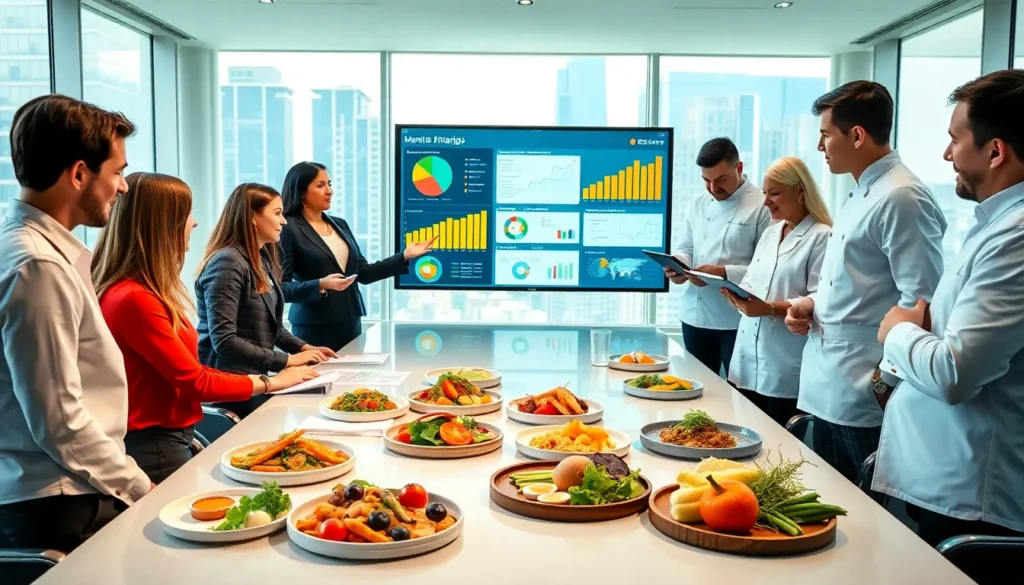
Food trends ideas are shifting fast in 2025, and the culinary landscape looks different than it did just a year ago. Diners want more than good taste, they want food that aligns with their values, health goals, and curiosity about global cuisines. From plant-based proteins that actually taste like meat to tech-powered restaurant experiences, this year brings a mix of innovation and tradition. This article breaks down the biggest food trends ideas shaping menus, home kitchens, and grocery aisles right now.
Key Takeaways
- Food trends ideas in 2025 center on plant-based innovations, global flavors, sustainability, functional foods, and tech-driven dining experiences.
- Plant-based products have evolved dramatically, with improved textures and options like seafood alternatives, meltable dairy-free cheeses, and egg substitutes.
- Global cuisines like West African, Filipino, and Peruvian dishes are gaining mainstream popularity, while fusion cooking and bolder spice levels reshape American palates.
- Sustainable practices such as zero-waste cooking, upcycled ingredients, and regenerative agriculture are becoming standard expectations for conscious consumers.
- Functional foods featuring adaptogens, probiotics, and high-protein formulations continue to dominate as shoppers prioritize wellness-focused eating.
- Technology transforms dining through AI-powered meal recommendations, ghost kitchens, robotic cooking systems, and smart home appliances that make professional techniques accessible.
Plant-Based Innovations Taking Center Stage
Plant-based eating isn’t new, but the products hitting shelves in 2025 are. The latest food trends ideas in this space go far beyond basic veggie burgers. Companies now produce plant-based seafood, dairy-free cheeses that actually melt, and egg alternatives made from mung beans or chickpeas.
Consumer demand drives this growth. A 2024 report from the Good Food Institute showed plant-based food sales reached $8.1 billion in the U.S. alone. That number keeps climbing as more people adopt flexitarian diets, eating mostly plants while still enjoying occasional meat.
Restaurants respond by adding creative plant-based dishes to their menus. Think mushroom-based “steaks” with rich umami flavor or jackfruit tacos that mimic pulled pork. These food trends ideas appeal to vegans, vegetarians, and meat-eaters alike.
The texture game has improved dramatically. Early plant-based meats often felt rubbery or dry. Now, brands use fermentation and precision engineering to create products with the fibrous bite of real chicken or the juicy chew of a beef patty. Expect more food trends ideas in this category as technology advances.
Global Flavors and Fusion Cuisine
Global cuisines continue to inspire food trends ideas in 2025. Diners crave authentic flavors from regions that mainstream restaurants once overlooked. West African, Filipino, and Peruvian dishes now appear on menus across the country.
Fusion cooking takes these influences further. Chefs blend techniques and ingredients from different cultures to create something new. Korean-Mexican tacos, Indian-Italian pasta, and Japanese-Southern fried chicken represent this approach.
Spice levels are rising too. American palates have grown bolder. Gochujang, harissa, and Sichuan peppercorns show up in everything from breakfast sandwiches to desserts. These ingredients add heat, depth, and complexity that diners actively seek.
Grocery stores stock more international ingredients than ever before. Home cooks can now find tamarind paste, fish sauce, and specialty chilies at their local supermarket. This accessibility fuels food trends ideas at the household level.
Social media plays a role here. TikTok and Instagram expose millions of users to dishes they’ve never seen. A viral video featuring birria ramen or ube cheesecake can spark nationwide interest overnight. These platforms accelerate how quickly food trends ideas spread.
Sustainable and Zero-Waste Cooking
Sustainability shapes many food trends ideas in 2025. Consumers care about where their food comes from and how it impacts the planet. Restaurants and brands respond with zero-waste practices and transparent sourcing.
Zero-waste cooking uses every part of an ingredient. Chefs turn vegetable scraps into stocks, pickle watermelon rinds, and transform stale bread into croutons or breadcrumbs. This approach reduces food waste while creating new flavors.
Upcycled ingredients represent another growing category. Companies now make flour from spent grain left over from beer brewing. Others create snacks from “ugly” produce that grocery stores would reject. These food trends ideas turn waste streams into revenue.
Regenerative agriculture gains attention too. This farming method focuses on soil health, biodiversity, and carbon capture. Some restaurants now highlight regeneratively farmed ingredients on their menus. Diners pay premium prices for food grown this way.
Packaging matters as well. Single-use plastics face increasing scrutiny. Brands switch to compostable containers, refillable options, and minimal packaging. These changes reflect broader food trends ideas around environmental responsibility.
Functional Foods and Wellness-Focused Eating
Health-conscious eating drives major food trends ideas this year. Functional foods, products that offer benefits beyond basic nutrition, continue their rise. Consumers want food that supports gut health, mental clarity, and immune function.
Adaptogens appear in more products than ever. Ashwagandha, reishi mushrooms, and rhodiola show up in everything from coffee to chocolate bars. These ingredients claim to help the body manage stress. Whether the science fully supports these claims, consumer interest remains strong.
Gut health stays in focus. Fermented foods like kimchi, kefir, and kombucha maintain their popularity. Prebiotic and probiotic ingredients appear in snacks, cereals, and beverages. These food trends ideas reflect growing awareness of the gut-brain connection.
Protein obsession continues too. High-protein versions of traditionally carb-heavy foods fill grocery aisles. Protein pasta, protein ice cream, and protein chips target fitness-minded shoppers. This category shows no signs of slowing down.
Sugar reduction remains a priority. Brands reformulate products with alternative sweeteners like allulose, monk fruit, and stevia. Consumers read labels more carefully than ever. Low-sugar and no-added-sugar claims influence purchase decisions significantly.
Tech-Driven Dining Experiences
Technology transforms how people discover, order, and experience food. These food trends ideas blend digital innovation with culinary creativity.
AI-powered personalization grows more sophisticated. Apps now suggest meals based on dietary preferences, past orders, and even mood. Some platforms use machine learning to predict what users want before they know it themselves.
Ghost kitchens continue expanding. These delivery-only restaurants operate without dining rooms, reducing overhead costs. A single kitchen might produce food for multiple virtual brands. This model lets operators test food trends ideas quickly without major investment.
Robotic cooking gains ground in fast-casual settings. Automated systems flip burgers, assemble bowls, and fry foods with consistent results. Human workers focus on customer service and quality control. These food trends ideas address labor shortages while maintaining speed.
QR code menus became standard during the pandemic. Now, restaurants use this technology for more than just ordering. Some offer augmented reality experiences that show dishes in 3D before ordering. Others provide detailed ingredient sourcing information through simple scans.
Smart kitchen appliances influence home cooking too. Connected ovens, precision cookers, and app-controlled devices make complex techniques accessible. Home cooks attempt restaurant-quality dishes with technology guiding each step.