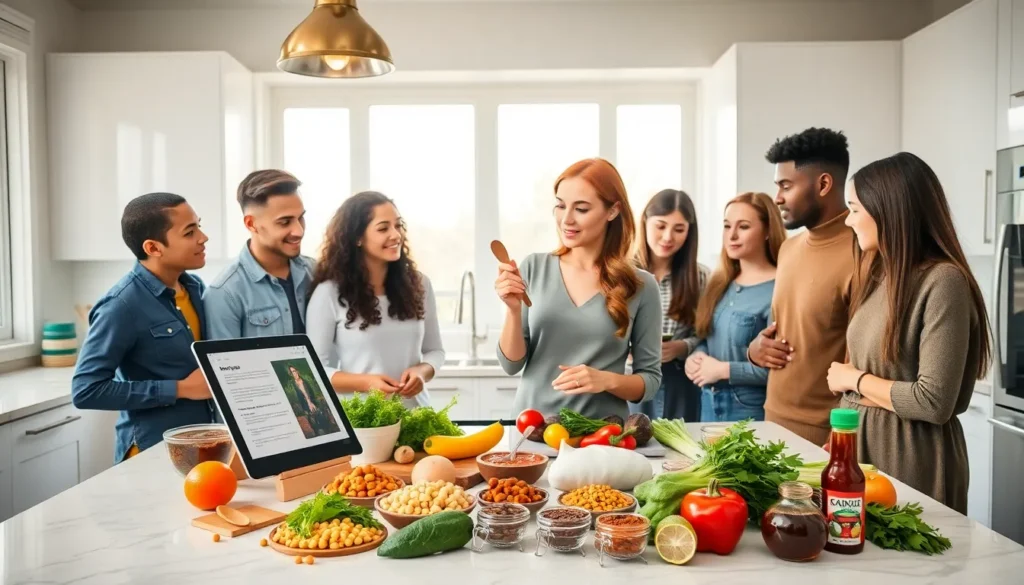
Food trends strategies shape how restaurants, cafes, and food businesses attract customers in 2025. Consumer preferences shift quickly. Plant-based options dominate one season. Fermented foods take center stage the next. Businesses that anticipate these changes thrive. Those that react too slowly lose ground to competitors.
This article breaks down practical food trends strategies for staying ahead. It covers how to identify emerging trends, adapt operations efficiently, and measure results. Whether running a small cafe or managing a restaurant chain, these approaches help food professionals make smarter decisions and keep customers coming back.
Key Takeaways
- Effective food trends strategies combine data from social media, industry reports, supplier insights, and direct customer feedback to identify emerging opportunities.
- Test new trend-driven dishes as limited-time specials before full commitment to reduce risk and gather real performance data.
- Balance trend adoption with your core brand identity—integrate new ideas without losing what makes your business unique.
- Train staff thoroughly on new menu items so they can confidently sell and explain trend-driven offerings to customers.
- Track key performance indicators like sales volume, profit margins, and customer feedback to measure whether food trends strategies are actually working.
- Stay flexible and pivot quickly when data shows a trend isn’t resonating with your specific customer base.
Understanding Current Food Trends
Food trends strategies start with knowing what’s actually happening in the market. In 2025, several movements shape consumer behavior.
Plant-Forward Eating Continues to Grow
Plant-based foods aren’t just for vegans anymore. Flexitarians, people who eat mostly plants but occasionally include meat, now represent a huge customer segment. Sales of plant-based alternatives grew by 8% in 2024, according to industry reports. Smart food trends strategies account for this shift by offering satisfying vegetable-centric dishes alongside traditional options.
Functional Foods Gain Momentum
Consumers want food that does more than taste good. They seek ingredients that support gut health, boost energy, or reduce inflammation. Fermented foods like kimchi, kefir, and kombucha appear on more menus. Adaptogens show up in beverages and snacks. Food trends strategies that incorporate functional benefits give businesses a competitive edge.
Sustainability Matters More Than Ever
Diners care about where their food comes from. They ask about sourcing, packaging, and food waste practices. Restaurants that communicate their sustainability efforts build stronger customer loyalty. Local sourcing, seasonal menus, and reduced packaging all resonate with today’s consumers.
Global Flavors Meet Local Ingredients
Fusion isn’t new, but it’s evolving. Consumers want authentic global flavors prepared with local, fresh ingredients. Korean, West African, and Filipino cuisines attract growing interest. Successful food trends strategies blend international inspiration with regional availability.
Key Strategies for Adapting to Food Trends
Identifying trends is one thing. Acting on them effectively requires a clear approach.
Monitor Multiple Data Sources
Don’t rely on a single source for trend information. Combine insights from social media platforms, industry publications, supplier reports, and direct customer feedback. TikTok and Instagram often signal emerging preferences before traditional media catches on. Food trends strategies work best when they pull from diverse inputs.
Test Before Full Commitment
Jumping on every trend wastes resources. Instead, run small tests. Introduce a new dish as a limited-time special. Track sales and gather customer reactions. This approach reduces risk while providing real data. If the test succeeds, scale up. If it fails, move on without major losses.
Train Staff on New Offerings
Employees sell what they understand. When introducing trend-driven items, train servers and kitchen staff thoroughly. They should know the story behind the dish, its key ingredients, and how to describe it to customers. Food trends strategies succeed when the entire team supports them.
Balance Trends with Core Identity
Chasing trends shouldn’t mean losing brand identity. A steakhouse adding a plant-based option makes sense. That same steakhouse going fully vegan confuses customers. The best food trends strategies integrate new ideas while preserving what makes a business unique.
Build Supplier Relationships
Flexibility matters in trend adoption. Strong relationships with suppliers enable faster pivots. When a new ingredient gains popularity, connected businesses get access first. Regular communication with suppliers also provides early intelligence about what’s coming next.
Implementing Trends in Your Menu or Business
Strategy means nothing without execution. Here’s how to bring food trends strategies to life.
Start with Menu Engineering
Analyze current menu performance before adding new items. Which dishes sell well? Which sit untouched? Remove underperformers to make room for trend-driven additions. This keeps menus focused and profitable. Menu engineering creates space for innovation without overwhelming customers or kitchen staff.
Price Strategically
Trendy ingredients sometimes cost more. Price new items to cover costs while remaining attractive to customers. Consider positioning trend-driven dishes as premium options. Many consumers willingly pay more for foods they perceive as healthier, more sustainable, or more interesting.
Update Marketing Materials
New menu items need visibility. Update websites, social media profiles, and in-store materials to highlight trend-driven offerings. Use photography that showcases the visual appeal of new dishes. Food trends strategies extend beyond the kitchen into marketing and communication.
Gather Customer Feedback Actively
Don’t wait for reviews to appear online. Ask customers directly about new items. Train servers to inquire about satisfaction. Use comment cards or digital surveys. This immediate feedback guides adjustments and improvements.
Manage Inventory Carefully
Trend-driven ingredients may have shorter shelf lives or less predictable demand. Order conservatively at first. Build accurate forecasting as sales patterns emerge. Proper inventory management prevents waste and protects margins.
Measuring Success and Staying Flexible
Food trends strategies require ongoing evaluation. Success isn’t just about trying new things, it’s about knowing what works.
Track Key Performance Indicators
Measure specific metrics for trend-driven items. Track sales volume, profit margin, customer feedback scores, and social media mentions. Compare performance against established menu items. Data reveals whether a trend addition genuinely helps the business.
Set Clear Timelines
Give new items enough time to prove themselves. A dish introduced during a slow week might underperform initially. Set evaluation periods, typically 4 to 8 weeks, before making decisions. Food trends strategies benefit from patience paired with accountability.
Know When to Pivot
Not every trend fits every business. If data shows a trend-driven item consistently underperforms, remove it. Holding onto failures drains resources and distracts from better opportunities. Flexibility defines successful food trends strategies.
Watch for Trend Evolution
Trends don’t remain static. Plant-based eating in 2025 looks different from plant-based eating in 2020. Consumer expectations evolve. Businesses must evolve alongside them. Regular trend monitoring ensures food trends strategies stay current.
Document Lessons Learned
Keep records of what worked and what didn’t. This institutional knowledge speeds future decisions. When similar trends emerge later, businesses with good documentation respond faster and smarter.