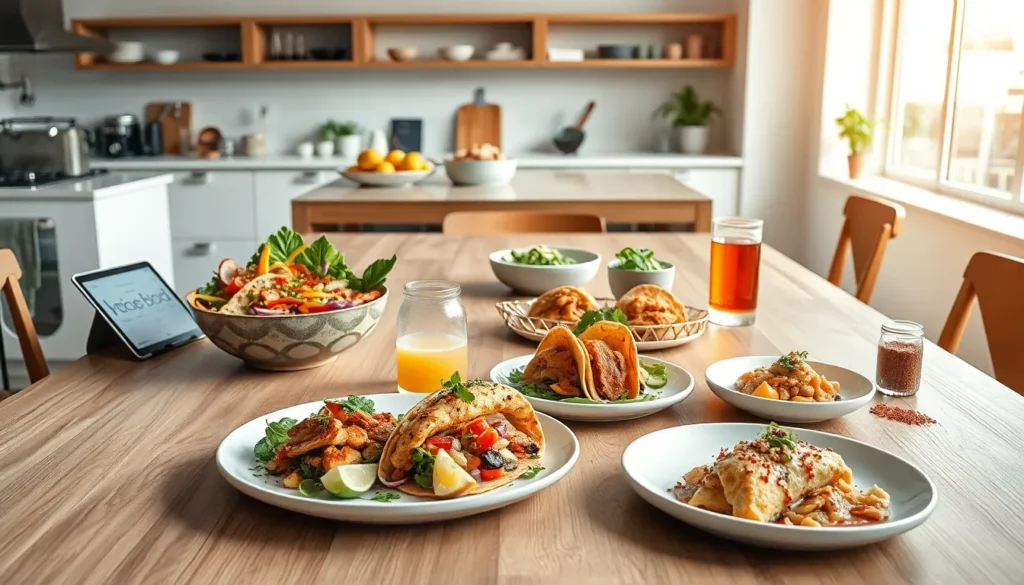
Food trends tips can transform anyone from a casual cook into a culinary trendsetter. The food industry moves fast. One year, everyone craves avocado toast. The next, fermented foods dominate grocery store aisles. Staying current matters, whether someone runs a restaurant, creates content, or simply wants to impress dinner guests. This guide breaks down how to identify food trends early, apply them practically, and balance innovation with proven cooking fundamentals. Readers will learn actionable strategies to keep their menus fresh and relevant.
Key Takeaways
- Food trends tips help you stay ahead by identifying patterns like plant-forward eating, global flavors, and functional foods before they peak.
- Monitor industry reports, social media platforms, and fine dining menus to spot emerging food trends 12-18 months before mainstream adoption.
- Start small when incorporating trends—test new ingredients in familiar dishes to build confidence and reduce waste.
- Always balance trendy ingredients with timeless cooking techniques like proper knife work, sauce-making, and temperature control.
- Adapt trends to your personal style and audience rather than blindly copying viral recipes.
- Discernment matters—skip food trends that don’t align with quality cooking or genuine flavor improvement.
Understanding Current Food Trends
Food trends reflect cultural shifts, health discoveries, and global influences. In 2024 and 2025, several movements have dominated kitchens worldwide.
Plant-forward eating continues to grow. This doesn’t mean strict veganism, it means vegetables take center stage while meat plays a supporting role. Restaurants now feature cauliflower steaks and mushroom-based proteins as main dishes.
Global flavors have also surged in popularity. West African spices, Korean gochujang, and Middle Eastern za’atar now appear in mainstream supermarkets. Consumers want authentic international tastes without leaving their neighborhoods.
Functional foods represent another major trend. People seek ingredients that offer health benefits beyond basic nutrition. Turmeric lattes, adaptogenic mushrooms, and probiotic-rich fermented vegetables fall into this category.
Sustainability shapes purchasing decisions too. Shoppers increasingly prefer locally sourced ingredients, reduced food waste practices, and eco-friendly packaging. Restaurants that highlight sustainable sourcing attract conscious consumers.
Understanding these food trends tips helps professionals and home cooks anticipate what customers and guests want. The key lies in recognizing patterns rather than chasing every viral recipe.
How to Spot Emerging Food Trends Early
Identifying food trends before they peak gives cooks and businesses a competitive advantage. Several reliable methods help spot what’s next.
Follow industry reports. Organizations like the Specialty Food Association and National Restaurant Association publish annual trend predictions. These reports analyze sales data, restaurant menus, and consumer surveys. They often predict trends 12-18 months before mainstream adoption.
Monitor social media platforms. TikTok, Instagram, and Pinterest reveal emerging food trends through viral content. When a recipe accumulates millions of views, pay attention. The feta pasta trend started as a Finnish recipe before exploding globally on TikTok in 2021.
Watch fine dining menus. High-end restaurants often introduce ingredients and techniques that trickle down to casual dining and home kitchens. Chefs at Michelin-starred establishments experiment with cutting-edge ideas first.
Track grocery store launches. New product releases signal where the industry is heading. When major retailers stock unfamiliar items, like jackfruit or oat milk years ago, mass adoption typically follows.
Attend food expos and trade shows. Events like the Fancy Food Show showcase innovations before they reach consumers. These gatherings connect trend-watchers with producers and industry experts.
Consistent research separates food trend leaders from followers. Those who invest time in trend-spotting gain valuable food trends tips that translate into better decisions.
Incorporating Trends Into Your Cooking
Spotting food trends means little without practical application. Here’s how to incorporate new ideas effectively.
Start small. Test trending ingredients in familiar dishes first. Adding gochujang to a classic burger or using aquafaba in a dessert introduces innovation without overwhelming a recipe. Small experiments reduce waste and build confidence.
Consider your audience. A family dinner requires different considerations than a restaurant menu. Some trends appeal universally, like air fryers, while others target specific demographics. Match food trends tips to the people eating the food.
Adapt rather than copy. Blind replication rarely works. Instead, extract the core concept from a trend and apply personal style. If fermented foods are popular, try fermenting local vegetables rather than importing ingredients.
Balance novelty with accessibility. Trendy dishes should still taste good. A visually stunning plate means nothing if flavors clash or textures disappoint. Prioritize deliciousness over Instagram appeal.
Document results. Keep notes on what works and what doesn’t. Successful food trends tips come from trial, error, and honest evaluation. This documentation builds a personal reference library for future experimentation.
Practical application transforms abstract food trends into concrete skills. The goal isn’t following every fad, it’s selectively adopting ideas that enhance cooking quality.
Balancing Trends With Timeless Techniques
Trends fade. Techniques endure. The best cooks blend innovation with fundamentals.
Classic skills like proper knife work, sauce-making, and temperature control remain essential regardless of current food trends. A perfectly executed beurre blanc never goes out of style. Neither does a properly seared steak.
Build a foundation first. Master roasting, braising, sautéing, and other core methods before chasing trends. These techniques provide flexibility to adapt to any new ingredient or style that emerges.
Use trends to enhance classics. A traditional chicken dish gains fresh appeal with trending spices or presentation styles. The underlying technique stays constant while surface elements evolve. This approach delivers food trends tips that feel current without abandoning proven methods.
Know when to skip a trend. Not every popular idea deserves attention. Some trends, like extreme food challenges or wasteful viral stunts, offer little culinary value. Discernment matters. Choose food trends that align with quality cooking and genuine flavor improvement.
Study culinary history. Many “new” trends are actually revivals. Fermentation, nose-to-tail cooking, and heritage grains have ancient roots. Understanding food history provides context for current movements and predicts future revivals.
Lasting success comes from combining trendy awareness with timeless execution. The most respected chefs honor tradition while embracing evolution.