Global affairs techniques shape how nations interact, cooperate, and resolve disputes on the world stage. These strategies determine everything from trade agreements to peacekeeping missions. Understanding them offers valuable insight into why countries make certain decisions and how international relationships evolve over time.
Whether someone follows geopolitics casually or studies it professionally, knowing these core techniques provides a clearer picture of global events. This article breaks down the essential strategies that governments, diplomats, and international organizations use to pursue their interests and maintain stability.
Key Takeaways
- Global affairs techniques include diplomatic negotiation, economic statecraft, soft power, and multilateral cooperation to help nations achieve foreign policy goals.
- Diplomatic negotiation remains one of the most fundamental techniques, requiring clear understanding of interests, proper timing, and a willingness to find mutual benefits.
- Economic statecraft—such as sanctions, trade agreements, and foreign aid—allows countries to influence others without military action.
- Soft power and public diplomacy shape international perceptions through cultural exports, educational exchanges, and media presence.
- Multilateral cooperation through international organizations like the UN and WTO addresses global challenges that no single nation can solve alone.
- The most effective global affairs strategies combine multiple techniques based on a country’s size, resources, and specific objectives.
What Are Global Affairs Techniques?
Global affairs techniques refer to the methods and strategies that states and international actors use to achieve their foreign policy goals. These techniques range from formal diplomatic channels to economic pressure and cultural influence.
At their core, global affairs techniques serve three main purposes. First, they help nations protect their security interests. Second, they promote economic prosperity through trade and investment. Third, they project influence and values across borders.
Some techniques are direct and visible, like signing treaties or imposing sanctions. Others work behind the scenes, such as intelligence sharing or back-channel negotiations. The most effective approach often combines multiple techniques based on the situation at hand.
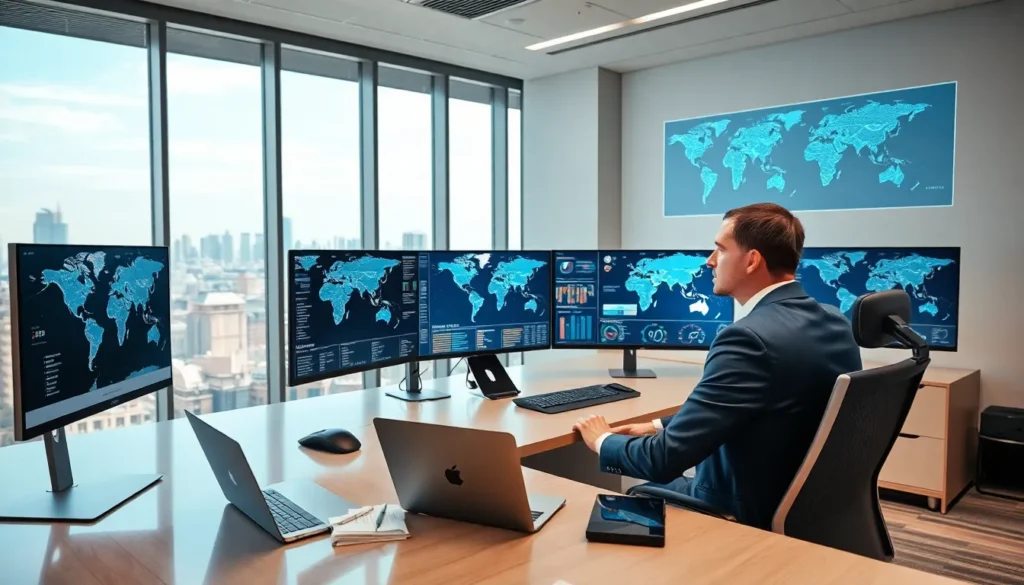
Modern global affairs techniques have evolved significantly. Digital communication allows faster coordination between governments. Social media creates new avenues for public diplomacy. Meanwhile, traditional methods like summit meetings and bilateral talks remain essential tools.
Countries typically develop their global affairs techniques based on their size, resources, and strategic priorities. A superpower might rely heavily on military presence and economic leverage. A smaller nation might focus on building alliances and participating in international institutions.
Diplomatic Negotiation and Conflict Resolution
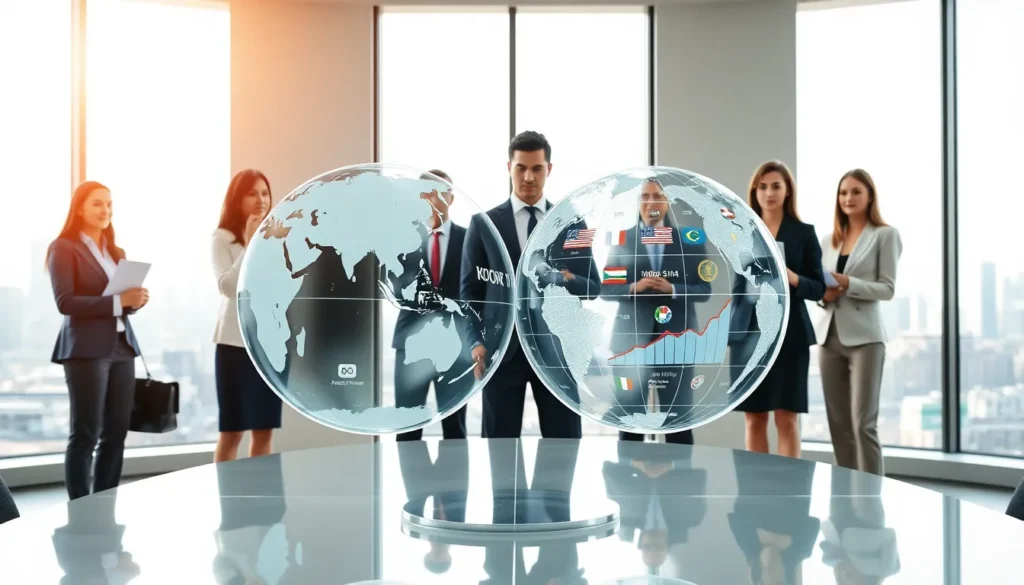
Diplomatic negotiation stands as one of the oldest and most fundamental global affairs techniques. It involves direct communication between representatives of different nations to resolve disputes, establish agreements, or build relationships.
Effective diplomatic negotiation requires several key elements. Negotiators must understand their counterpart’s interests, not just their stated positions. They need clear authorization from their governments. And they must find areas of mutual benefit where agreements can form.
Conflict resolution through diplomacy takes many forms. Mediation brings in a neutral third party to help discussions. Arbitration allows an outside body to make binding decisions. Direct bilateral talks let two countries work out issues face-to-face.
The United Nations plays a significant role in conflict resolution. Its Security Council can authorize peacekeeping missions. Special envoys work to de-escalate tensions in hotspots around the world. These efforts represent global affairs techniques at the institutional level.
Successful diplomatic outcomes often depend on timing and preparation. Rushed negotiations rarely produce lasting results. Conversely, waiting too long can allow conflicts to escalate beyond the point where diplomacy alone can solve them.
Track-two diplomacy has gained importance in recent decades. This approach involves unofficial contacts between academics, former officials, or business leaders. These conversations can explore options that formal diplomats cannot discuss openly.
Economic Statecraft and Trade Policies
Economic statecraft uses financial and commercial tools to achieve foreign policy objectives. This category of global affairs techniques includes sanctions, trade agreements, foreign aid, and investment policies.
Sanctions represent a common form of economic pressure. Governments impose them to change another country’s behavior without resorting to military action. Targeted sanctions focus on specific individuals or industries. Broad sanctions affect entire economies.
Trade policies shape international relationships in profound ways. Free trade agreements reduce barriers between participating countries. Tariffs and quotas can protect domestic industries or punish trading partners. Supply chain decisions increasingly carry strategic weight.
Foreign aid serves multiple purposes within global affairs techniques. Humanitarian assistance responds to crises and builds goodwill. Development aid supports long-term growth in partner countries. Military aid strengthens allies and advances security interests.
The effectiveness of economic statecraft varies widely. Sanctions work best when applied multilaterally with clear goals. Trade leverage depends on the relative economic strength of the parties involved. Aid programs succeed when they align with local needs and capacities.
Globalization has complicated economic statecraft. Interconnected supply chains mean that economic pressure on one country often affects others. Financial sanctions can ripple through the global banking system. These factors require careful calculation before deploying economic tools.
Soft Power and Public Diplomacy
Soft power refers to a country’s ability to influence others through attraction rather than coercion. This concept has become central to modern global affairs techniques. Cultural exports, educational exchanges, and media presence all contribute to soft power.
Public diplomacy targets foreign populations directly. Rather than communicating only with other governments, countries try to shape how ordinary citizens view them. Positive public opinion can create pressure on foreign leaders to adopt friendlier policies.
Cultural diplomacy takes many forms. International film festivals showcase a country’s creative output. Touring art exhibitions introduce foreign audiences to cultural heritage. Language programs spread linguistic and cultural influence.
Educational exchanges represent powerful global affairs techniques. Students who study abroad often develop lasting connections to their host countries. They may become business partners, political allies, or cultural ambassadors later in life.
Broadcasting and digital media extend soft power reach. International news channels present a country’s perspective on world events. Social media campaigns can shape narratives during crises or disputes.
Soft power has limits. It works slowly and indirectly. Hard power, military and economic strength, remains necessary for security. The most successful countries integrate soft and hard power into a coherent strategy.
Multilateral Cooperation and International Organizations
Multilateral cooperation brings multiple countries together to address shared challenges. This approach to global affairs techniques recognizes that many problems exceed any single nation’s capacity to solve.
International organizations provide the framework for multilateral action. The United Nations addresses peace and security issues. The World Trade Organization manages global commerce rules. Regional bodies like the European Union or African Union coordinate policy among neighbors.
Treaty-making represents a formal expression of multilateral cooperation. Arms control agreements limit weapons development. Climate accords set emissions targets. Human rights conventions establish shared standards of conduct.
Alliances serve both security and diplomatic functions. NATO members commit to mutual defense. Economic partnerships like ASEAN promote regional integration. These groupings amplify the influence of individual members.
Multilateral approaches offer several advantages. They spread costs and responsibilities among participants. They provide legitimacy for collective action. And they create forums where disputes can be addressed peacefully.
Challenges exist as well. Reaching consensus among many parties takes time. Enforcement mechanisms are often weak. Powerful countries sometimes bypass multilateral channels when they see faster alternatives.
Even though these difficulties, multilateral cooperation remains essential among global affairs techniques. Climate change, pandemics, and cybersecurity threats require coordinated responses. No country can address these issues alone.