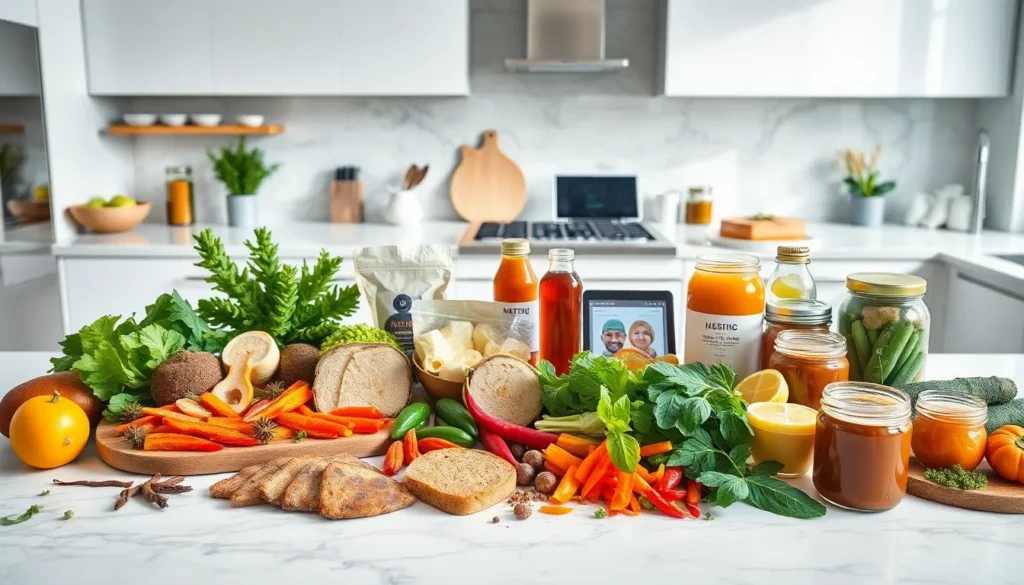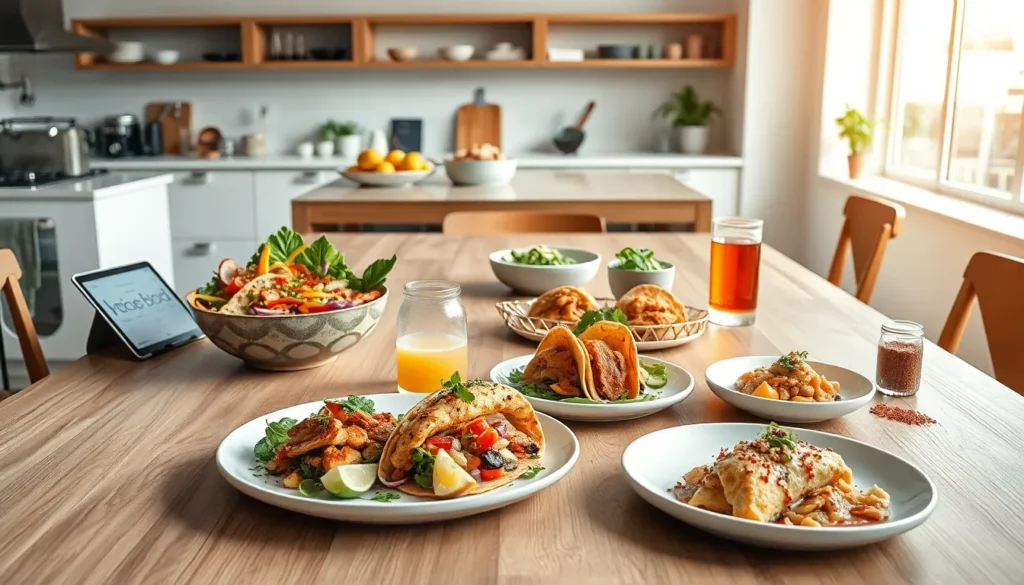
Understanding how to food trends work can transform the way people cook, eat, and think about meals. Food trends shape menus at restaurants, influence grocery store shelves, and drive conversations on social media. Some trends fade within months. Others become permanent fixtures in kitchens worldwide. This guide breaks down how to identify food trends early, evaluate their staying power, and decide which ones deserve a spot in daily life.
Key Takeaways
- Food trends differ from fads—they build gradually and often reflect deeper cultural, health, or sustainability concerns.
- Discover how to spot food trends early by monitoring TikTok, industry reports, restaurant menus, and grocery store shelves.
- Evaluate food trends by checking ingredient accessibility, verifying health claims, and assessing whether they solve lasting problems.
- Start small when adopting food trends—try substitutions, order at restaurants first, and buy ingredients in small quantities.
- A trend appearing across multiple sources (social media, professional forecasts, and menus) signals genuine momentum worth following.
- Host a trend-themed dinner party to make experimenting with new food trends social and get honest feedback from guests.
What Defines a Food Trend
A food trend is a shift in eating habits, ingredients, or cooking methods that gains widespread attention over a specific period. Food trends differ from fads. Fads burn bright and disappear fast, think cronuts or rainbow bagels. Trends build momentum gradually and often reflect deeper cultural, health, or environmental concerns.
Several factors define a legitimate food trend:
- Cultural influence: Immigration patterns, travel, and globalization introduce new cuisines to mainstream audiences. Korean fried chicken and birria tacos both followed this path.
- Health priorities: Consumer interest in gut health pushed fermented foods like kimchi and kombucha into the spotlight. Plant-based eating grew from niche to mainstream as people reconsidered protein sources.
- Sustainability concerns: Climate awareness drives interest in food trends centered on reducing waste, eating locally, and choosing lower-impact proteins.
- Technology shifts: Delivery apps, meal kits, and social media platforms accelerate how quickly food trends spread and gain adoption.
Food trends also follow predictable lifecycles. They start with early adopters, chefs, food bloggers, and adventurous home cooks. Then restaurants test them. Grocery stores stock related products. Finally, mainstream consumers catch on. Recognizing where a trend sits in this cycle helps predict its longevity.
Where To Discover Emerging Food Trends
Finding food trends early requires knowing where to look. The best sources combine professional insight with grassroots enthusiasm.
Social Media Platforms
TikTok has become the fastest incubator for food trends. The platform’s algorithm surfaces new recipes and ingredients to millions of users within days. Instagram remains valuable for visual-first trends and chef-driven innovations. Pinterest search data reveals what home cooks plan to try next.
Industry Reports
Professional forecasters publish annual food trend predictions. The Specialty Food Association, Whole Foods Market, and the National Restaurant Association release reports each year. These organizations track wholesale data, menu analysis, and consumer surveys to identify patterns.
Restaurant Menus
Fine dining establishments often preview food trends years before they reach casual chains. A new ingredient appearing at multiple high-end restaurants signals growing interest. Watching menu changes at fast-casual chains indicates a trend has hit mainstream appeal.
Grocery Store Shelves
New product launches tell a clear story. When multiple brands release versions of the same ingredient, oat milk, for example, that ingredient has crossed into trend territory. Ethnic food aisles expanding or reorganizing often signals shifting consumer interest.
Food Media
Publications like Bon Appétit, Eater, and Food & Wine dedicate coverage to emerging food trends. Podcasts featuring chefs and food scientists discuss what’s gaining traction in professional kitchens. YouTube channels showcase techniques and ingredients gaining popularity.
How To Evaluate Which Trends Are Worth Following
Not every food trend deserves attention. Some require expensive equipment. Others demand hard-to-find ingredients. Smart evaluation saves time, money, and disappointment.
Consider Accessibility
Can someone find the necessary ingredients at a regular grocery store? Food trends requiring specialty shops or online ordering face adoption barriers. Trends with accessible components spread faster and stick longer.
Assess Health Claims
Many food trends arrive wrapped in health promises. Some claims hold up to scrutiny. Others collapse under examination. Check whether credible nutrition research supports the supposed benefits. A trend built on questionable science rarely maintains momentum.
Evaluate Personal Fit
A food trend might be legitimate yet still wrong for a specific person. Dietary restrictions, cooking skill level, budget, and taste preferences all matter. Someone who dislikes spicy food won’t enjoy gochujang no matter how trendy it becomes.
Watch Staying Power
Food trends that address lasting concerns, health, sustainability, convenience, typically outlast novelty-driven ones. Ask whether the trend solves a real problem or just provides Instagram content. The answer predicts its shelf life.
Check Multiple Sources
A trend appearing in only one place might be manufactured hype. Food trends showing up across social media, professional forecasts, and restaurant menus simultaneously have genuine momentum behind them.
Practical Ways To Incorporate Food Trends Into Your Life
Adopting food trends doesn’t require overhauling an entire diet. Small, strategic changes let people experiment without major commitment.
Start With Substitutions
Swap one familiar ingredient for a trending alternative. Use tahini instead of peanut butter. Try cauliflower rice in place of regular rice. These low-risk experiments introduce new flavors without wasting food if the swap doesn’t work out.
Order Before Cooking
Restaurants let people sample food trends before investing in ingredients and recipes. Trying a dish prepared by professionals establishes a flavor benchmark. It also confirms whether someone actually enjoys the trend enough to recreate it at home.
Follow Recipe Creators
Food bloggers and content creators translate food trends into accessible recipes. They’ve already troubleshot the common problems. Following their guidance reduces frustration and improves results for home cooks testing new territory.
Buy Small Quantities
New ingredients often sit unused after initial enthusiasm fades. Purchasing small amounts limits waste and financial risk. Bulk bins at grocery stores work well for testing grains, spices, and legumes.
Host a Trend-Themed Dinner
Cooking for others creates accountability and makes experimentation social. A dinner party built around a specific food trend, fermented foods, West African cuisine, or tinned fish, turns learning into entertainment. Guests provide honest feedback that solo cooking doesn’t offer.